

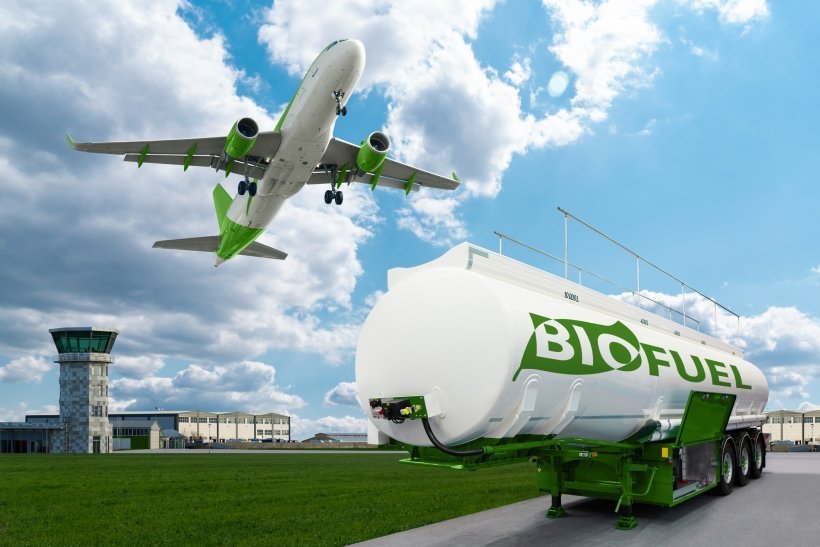
Introduction to Sustainable Aviation Fuel (SAF)
The Sustainable Aviation Fuel (SAF) market is emerging as a transformative solution for reducing carbon emissions in the aviation industry. As the global demand for air travel continues to rise, the pressure on airlines and fuel producers to reduce their environmental footprint has intensified. SAF, produced from renewable resources such as waste oils, agricultural residues, and non-food biomass, offers a viable alternative to conventional jet fuels. It can significantly lower lifecycle greenhouse gas emissions while maintaining similar energy efficiency and performance as fossil-based aviation fuels.
Market Overview and Growth Dynamics
The global SAF market is experiencing robust growth driven by rising sustainability mandates, government incentives, and airline commitments toward achieving net-zero emissions. The aviation sector contributes nearly 2-3% of global carbon emissions, prompting both international organizations and governments to establish policies encouraging the adoption of SAF. Increased production capacities, strategic partnerships, and advancements in biofuel conversion technologies are fueling the expansion of the market. The push for carbon neutrality by 2050, as outlined by organizations like the International Air Transport Association (IATA), has further accelerated market investments and development initiatives.
Key Drivers Supporting Market Expansion
Several factors are driving the adoption of sustainable aviation fuel. Growing environmental awareness and the implementation of emission reduction regulations are compelling airlines to integrate SAF into their operations. Technological advancements in feedstock processing and refining have improved fuel yield and cost efficiency. Additionally, the development of power-to-liquid and hydroprocessed esters and fatty acids (HEFA) technologies has diversified SAF production methods. Increasing collaborations between airlines, fuel suppliers, and technology providers are also expediting large-scale commercialization.
Challenges and Barriers to Market Growth
Despite its potential, the SAF market faces several challenges that could hinder rapid adoption. High production costs compared to traditional jet fuel remain a major obstacle, primarily due to limited feedstock availability and complex refining processes. The lack of large-scale infrastructure for blending, storage, and distribution further restricts widespread deployment. Moreover, inconsistent regulatory frameworks and certification standards across regions create uncertainties for investors and fuel producers. Overcoming these challenges requires continued policy support, technological innovation, and investment in production facilities.
Regional Market Insights
North America and Europe currently dominate the sustainable aviation fuel market, supported by strong regulatory frameworks and active industry initiatives. The United States has implemented policies like the Sustainable Aviation Fuel Grand Challenge to boost domestic production. Similarly, European countries are advancing through the ReFuelEU Aviation initiative, which mandates increasing SAF blending rates over the coming years. The Asia-Pacific region is expected to witness significant growth, driven by expanding air travel, rising environmental awareness, and government-backed renewable energy programs in countries such as Japan, Singapore, and India.
Feedstock and Production Pathways
SAF can be produced from various feedstocks including used cooking oil, animal fats, municipal solid waste, agricultural residues, and lignocellulosic biomass. Among these, waste-based and second-generation feedstocks are gaining preference due to their minimal impact on food supply chains. The primary production pathways include Fischer-Tropsch synthesis, alcohol-to-jet conversion, and HEFA technology. Emerging technologies like synthetic fuels derived from captured carbon dioxide and green hydrogen (e-fuels) are also gaining traction as the aviation sector looks toward long-term decarbonization.
Applications and End-User Adoption
Airlines, airports, and military aviation are the key end-users of sustainable aviation fuel. Commercial airlines are increasingly adopting SAF to meet sustainability targets and enhance their brand image. Several major carriers have already initiated SAF-powered flights and signed long-term offtake agreements with producers. Airports are also investing in infrastructure to facilitate SAF supply chains. The defense sector is exploring SAF as part of broader strategies to improve energy resilience and reduce reliance on fossil fuels.
Technological Innovations and Industry Collaborations
Technological advancements play a vital role in scaling up SAF production. Innovations in catalytic conversion, carbon capture integration, and feedstock optimization are making production processes more efficient and cost-effective. Collaborations among airlines, fuel manufacturers, and research institutions are fostering rapid progress. Strategic alliances between oil companies and biofuel startups are facilitating technology transfer and infrastructure expansion, which are crucial for meeting global demand targets.
Future Outlook and Opportunities
The future of the sustainable aviation fuel market appears promising, with increasing policy support, technological breakthroughs, and growing consumer awareness driving momentum. The next decade is likely to witness a surge in SAF production capacity as new refineries come online and feedstock supply chains mature. The introduction of carbon pricing and emission trading systems could further improve SAF’s competitiveness against fossil-based alternatives. Market players that invest in innovation, feedstock diversification, and regional partnerships will be well-positioned to capitalize on emerging opportunities.
The SAF market represents a critical pathway toward decarbonizing the aviation industry and achieving global climate targets. While challenges such as cost and infrastructure remain, the ongoing advancements in technology and growing governmental support are expected to overcome these hurdles. As the aviation industry moves toward a greener future, SAF stands at the forefront of enabling cleaner, more sustainable air travel worldwide.