
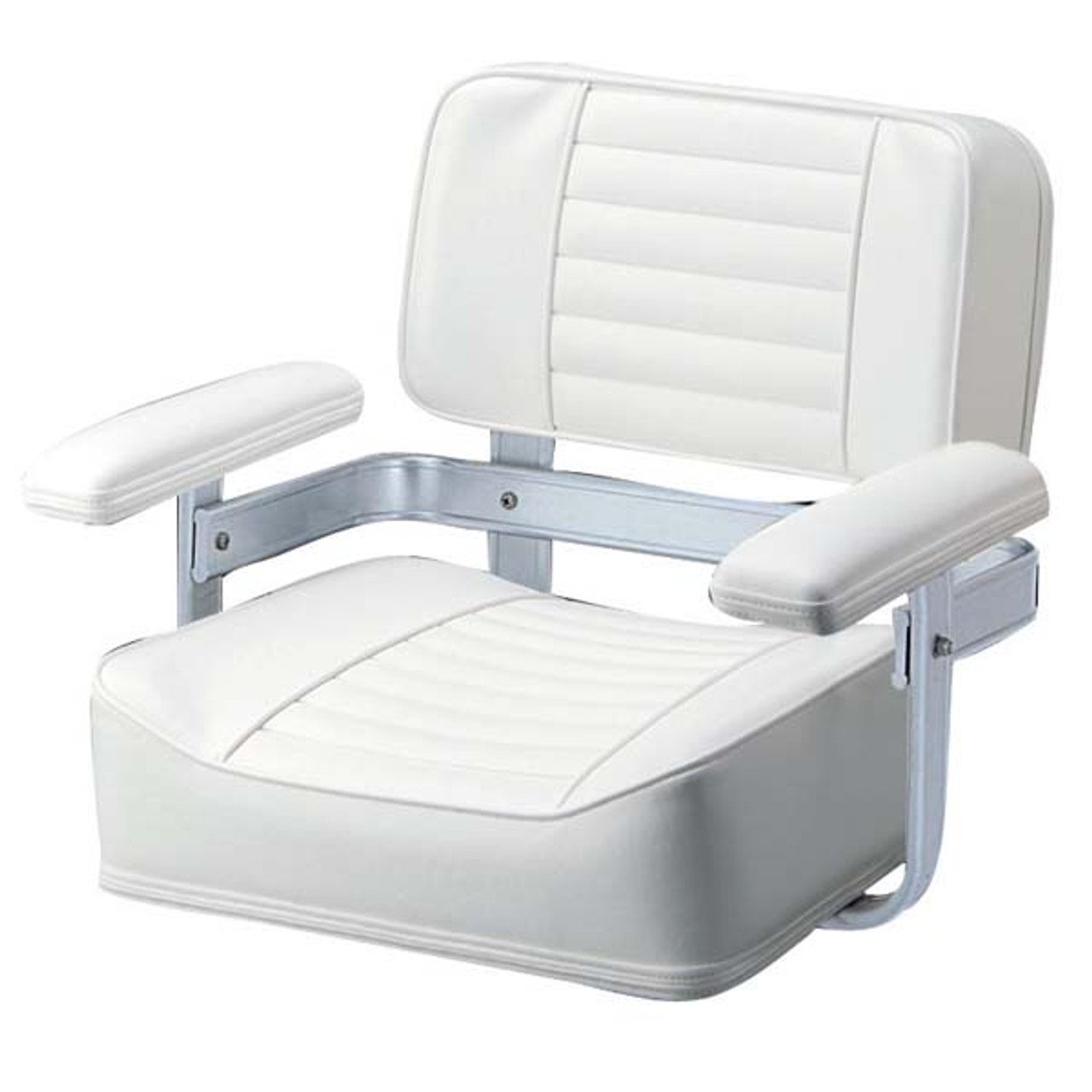
Market Overview
The marine seats market, encompassing a wide range of seating solutions for ships, boats, and other waterborne vessels, plays a critical role in ensuring comfort, durability, and safety at sea. These products include boat seating systems, passenger ferry seats, shock mitigation seats, and ergonomically designed chairs tailored for different marine segments—ranging from luxury yachts and ferries to naval ships and patrol boats. The market’s evolution is closely tied to the marine industry’s transformation, where performance, safety, and user experience are prioritized more than ever before.
According to the research report, the global marine seat market was valued at USD 1.54 billion in 2021 and is expected to reach USD 2.37 billion by 2030, to grow at a CAGR of 5.0% during the forecast period.
Key Market Growth Drivers
- Rising Marine Tourism and Recreational Boating
A significant contributor to the growth of the marine seats market is the rise in leisure boating and yachting, particularly in regions like North America, Europe, and Southeast Asia. Consumers are investing in personal watercraft for recreation, prompting demand for enhanced marine upholstery solutions that offer aesthetics, comfort, and resistance to saltwater and UV exposure.
Recreational vessels are increasingly being fitted with customized and luxury seating options that not only cater to user comfort but also align with the vessel’s design aesthetics. This trend is particularly visible in the high-end yacht segment, where manufacturers are prioritizing modular and plush marine seating systems.
- Emphasis on Safety and Ergonomics in Naval and Commercial Vessels
Governments and maritime authorities are pushing for improved ergonomics and safety standards in marine transportation. Shock mitigation seats, which reduce the physical impact on occupants during high-speed or rough sea travel, have become increasingly common in patrol boats, search and rescue vessels, and defense crafts. These seats help reduce injury risk for crew members during operations in adverse marine conditions.
Naval applications, in particular, demand durability, structural integrity, and shock absorption capability, thus encouraging innovation in materials like aluminum alloys and corrosion-resistant stainless steel, as well as advanced cushioning technologies.
- Commercial Marine Sector Expansion
The commercial sector, especially the passenger ferry seats segment, is expanding rapidly with the growth of water-based public transport systems and cross-border maritime trade. Ferry operators across Europe, Asia-Pacific, and coastal regions of North America are modernizing fleets to improve passenger comfort and comply with safety regulations.
Urban coastal transport initiatives, notably in countries like India, Indonesia, and Brazil, are fueling demand for cost-effective yet comfortable seating that can accommodate large passenger volumes while withstanding high usage.
- Technological Advancements and Material Innovations
Innovations in seating materials, such as lightweight composites, antimicrobial fabrics, and quick-drying foams, are driving new product development. The adoption of smart seats integrated with features like adjustability, temperature control, and foldability enhances user experience while optimizing space on vessels.
Furthermore, manufacturers are increasingly offering customizable boat seating systems, enabling vessel owners to tailor seats to specific layouts and functional needs. This customization trend is also being bolstered by advanced manufacturing techniques like 3D modeling and CNC machining.
Market Challenges
Despite favorable growth prospects, the marine seats market is not without its challenges.
- High Cost of Premium Seating Solutions
While demand for technologically advanced seating is on the rise, the cost associated with high-performance seats, particularly shock mitigation seats, can be prohibitive for small-scale commercial operators or private boat owners. The integration of advanced materials and ergonomic designs increases overall production costs, which may limit adoption in cost-sensitive markets.
- Maintenance and Environmental Concerns
Marine environments pose unique challenges—constant exposure to saltwater, UV rays, and temperature fluctuations can degrade materials over time. Regular maintenance is essential to preserve the longevity and functionality of marine upholstery. Additionally, environmental concerns regarding the disposal of synthetic seat materials have sparked a push toward sustainable and recyclable alternatives, placing pressure on manufacturers to innovate responsibly.
- Supply Chain Volatility
Like many industrial sectors, the marine seating industry faced disruptions during the COVID-19 pandemic and continues to navigate lingering supply chain bottlenecks. Fluctuations in raw material availability and pricing, especially for specialized metals and foams, can impact production schedules and costs.
Browse Full Insights:
https://www.polarismarketresearch.com/industry-analysis/marine-seat-market
Regional Analysis
North America
North America remains a dominant player in the marine seats market, particularly driven by the U.S., which has a significant presence of defense shipbuilding, recreational boating, and coastal transportation. The U.S. Coast Guard and Navy are among the key end users of specialized marine seating, including shock mitigation seats. Additionally, the region’s affluent consumer base supports demand for luxury yacht seating systems.
Europe
Europe is home to some of the world’s leading marine equipment manufacturers. Countries like Norway, Germany, and the Netherlands are investing heavily in green ferry programs and maritime infrastructure, thus boosting demand for modern seating solutions. The continent also sees strong recreational boating activity, particularly in the Mediterranean, driving demand for premium boat seating systems.
Asia-Pacific
The Asia-Pacific region is projected to witness the highest growth during the forecast period. Rising disposable incomes, expanding maritime tourism in Southeast Asia, and government initiatives to enhance marine transport systems are key growth enablers. Countries such as China, Japan, and South Korea are also investing in naval modernization, stimulating demand for military-grade seating.
Middle East & Africa
In the Middle East, countries like the UAE are enhancing their marina infrastructure to cater to luxury yachting, contributing to the demand for high-end marine seats. In Africa, while market penetration remains limited, development of ferry networks and increased trade through coastal waters offer opportunities for market entry and growth.
Key Companies
The marine seats market is moderately consolidated, with several key players offering specialized seating products for distinct marine applications. These companies are focusing on product innovation, strategic partnerships, and expansion into emerging markets.
- Alu Design & Services AS
- Allsalt Maritime Incorporation
- GRAMMER AG
- JIANGSU TRASEA MARINE SEATING LTD
- Kingfisher boat corporation
- NorSap AS
- Springfield Group
- Scott Seat Group
- Stidd Systems Inc.
- TEK Seating GmbH
- Triton submarines company
- Thomas Scott Seating Ltd
- Ullman Dynamics
- West Marine Incorporation
These companies are investing in R&D to develop seats that are lightweight, weather-resistant, and user-friendly, thereby improving operational efficiency and reducing lifecycle costs.
Conclusion
The global marine seats market is set to experience strong and sustained growth fueled by rising marine transportation needs, technological advancements, and a growing focus on passenger and crew safety. While the market faces hurdles like cost and environmental concerns, continuous innovation and rising maritime activity globally are expected to keep the market buoyant.
More Trending Latest Reports By Polaris Market Research:
Cleaning and Hygiene Products Market
Clinical Laboratory Tests Market
Control the Groundwater with Dewatering Pumps Market